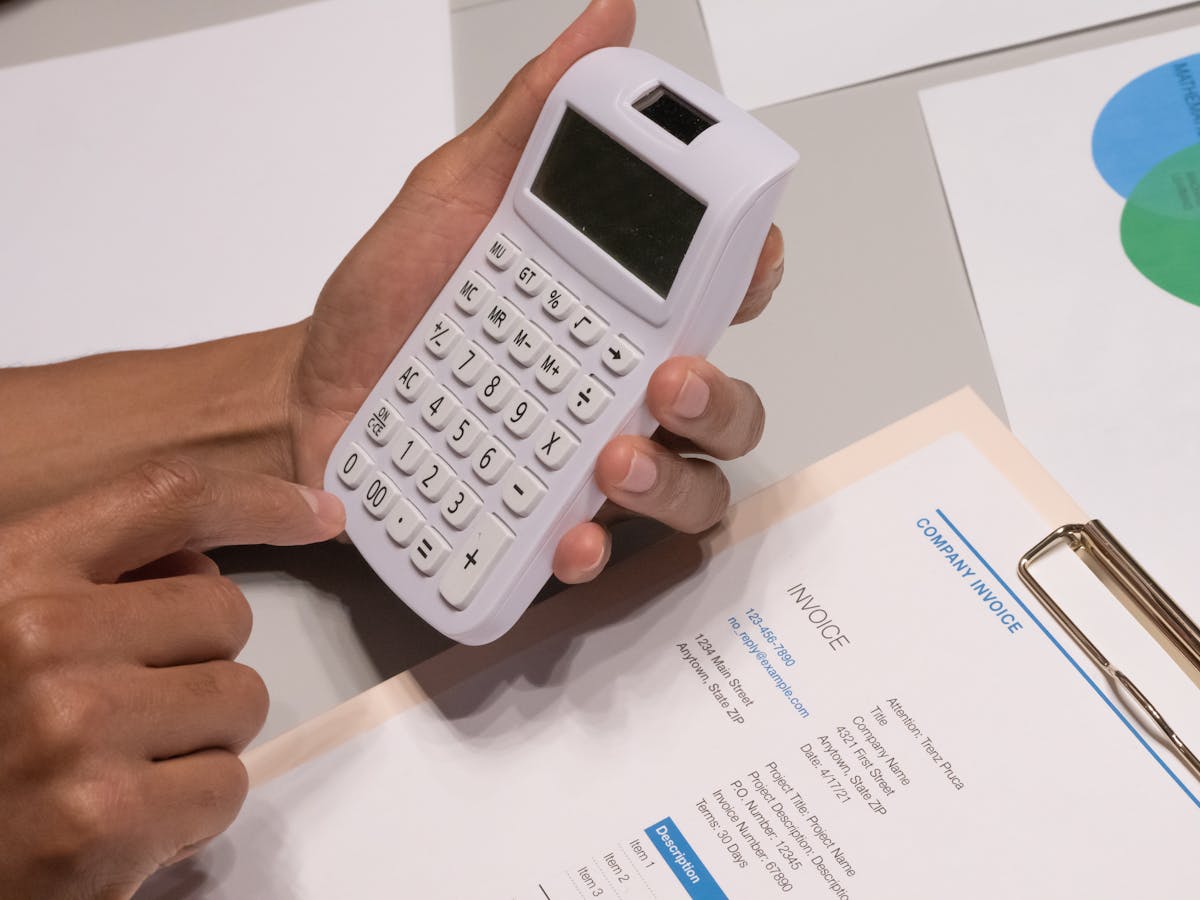
Every quote you send should have an expiry date. Not as a pressure tactic — but because your prices, your availability, and your costs are all time-limited. A quote without an expiry is an open-ended commitment you can’t reliably honor. Here’s how to set validity periods that are honest, professional, and actually help you close more deals.
Why quotes need expiry dates
Without an expiry date, a quote is a permanent price offer. A client could theoretically come back six months later, reference a quote you wrote when material costs were lower or your rates were different, and expect you to honor it.
That’s not a hypothetical — freelancers get “we want to move forward with the quote you sent in March” emails regularly.
Expiry dates also create soft urgency. Not manufactured scarcity (“act now!”), but genuine acknowledgment that your schedule and costs aren’t static. A quote that says “valid for 14 days” prompts a client to decide within two weeks instead of filing the email and revisiting it when convenient.
Standard validity periods by project type
7 days
For:
- Small one-off projects (under $1,000)
- Projects that require your time in a specific near-term window
- Peak season work where your schedule fills quickly
- Quotes where material or subcontractor costs are volatile
7 days is the tightest standard validity. It’s credible for genuinely time-sensitive situations, but for most service work it creates unnecessary pressure.
14 days (most common)
For:
- Standard freelance service work
- Web design, copywriting, marketing, consulting
- Most home service trades (cleaning, landscaping, painting)
- Projects under $10,000
14 days is the most commonly used validity period for professional services. It gives clients enough time to decide without leaving the quote open indefinitely. If you’re not sure which validity to use, default to 14 days.
30 days
For:
- Larger projects ($10,000–$50,000)
- Projects that require client-side budget approval
- Clients at companies where decisions move through multiple stakeholders
- Situations where you’ve discussed a timeline of several months
30 days is appropriate when you know the client genuinely needs internal sign-off time. It signals you’re reasonable without abandoning the boundary.
60 days
For:
- Construction, renovation, and large commercial projects
- Quotes involving subcontractors whose pricing you’ve locked for a period
- Government or enterprise contracts with longer procurement cycles
Materials and subcontractor rates can shift significantly. 60 days is a reasonable maximum for most trade work. If your costs are tied to commodity prices (lumber, steel), you may include language like “lumber pricing subject to market adjustment.”
The right validity period is the one you can actually honor. Setting a 30-day validity when your schedule is fully booked in 10 days is misleading. Setting a 7-day validity on a $30,000 project feels like a pressure tactic. Match the validity period to your real situation.
How to communicate the expiry date
On the quote document
List the expiry date prominently. It belongs near the quote date at the top, not buried in the terms section at the bottom.
Example header:
Quote Date: May 20, 2026
Valid Until: June 3, 2026
Or in the terms section: “This quotation is valid for 14 days from the date of issue. Pricing and availability are subject to change after this date.”
In the covering email
Mention it in the covering email so it registers before the client opens the document: “The quote covers [scope] at a total of $[X] and is valid until [date].”
In follow-up emails
Your follow-up at day 7 (or a few days before expiry) should reference the date specifically. Not as a threat, but as a service:
“Just a heads-up that the quote expires on [date]. Happy to extend it if you need more time — just say the word.”
This follow-up alone recaptures a significant number of quotes that would otherwise expire unread.
How to extend a quote
When a client needs more time, extending is easy — and it builds goodwill.
Step 1: Email them with the extension offer.
“Hi [Name], the quote for [project] expires on [date]. If you need a bit more time, I’m happy to extend it by [two weeks / until [new date]]. Let me know.”
Step 2: If they accept the extension, issue a new quote document with the updated expiry date. Don’t just say “the old price is still good” — put it in writing.
The new document shows professionalism and gives you a fresh paper trail. It also resets the clock formally, so there’s no ambiguity about which version is current.
What to do when a quote expires without a response
First: don’t panic or write it off. A significant percentage of expired quotes convert eventually. The client was interested enough to request a quote — something got in the way.
Wait 2–3 days after expiry, then send a brief message:
“Hi [Name], the quote for [project] expired on [date]. If you’re still interested in moving forward, I’m happy to put together a refreshed quote — my availability looks good for [month]. Just let me know.”
This message does three things:
- Acknowledges the expiry without blame
- Signals you’re still interested in the work
- Creates a fresh opportunity (new quote, new timeline)
Some of the best client relationships start with an expired quote and a follow-up that gave both sides a restart.
When to honor an expired quote anyway
There are situations where honoring an expired quote makes business sense:
- The client is a significant long-term relationship
- The expiry was very recent (1–2 days) and you haven’t had other offers
- The delay was caused by something outside their control (illness, company restructuring)
- You want to build goodwill with a new referral source
If you choose to honor it, do so explicitly and issue a new document:
“Given the circumstances, I’m happy to extend the original pricing. I’ll reissue the quote with a new validity date — please find it attached.”
Document it in writing. A verbal agreement to honor an expired quote is just a new verbal quote — it has no paper trail.
Validity periods by project size: quick reference
| Project value | Recommended validity |
|---|---|
| Under $1,000 | 7–14 days |
| $1,000–$10,000 | 14–21 days |
| $10,000–$50,000 | 30 days |
| Over $50,000 | 30–60 days |
| Construction / trade | 14–60 days (depending on materials) |
| Ongoing retainer | Revisit pricing quarterly |
The mistake most freelancers make
Most freelancers set a validity period, put it on the quote, and then forget about it. The quote expires and they don’t follow up. This is where deals go to die.
The expiry date is only useful if you track it. Keep a simple list of open quotes with their expiry dates. The day before expiry — or a few days before for longer quotes — send the client a heads-up. This is the most underused follow-up in freelancing, and it’s the one most likely to prompt a response.
Ready to send stronger proposals?
Build, send, and track proposals in one place so follow-up is easier.
Start your free trial →